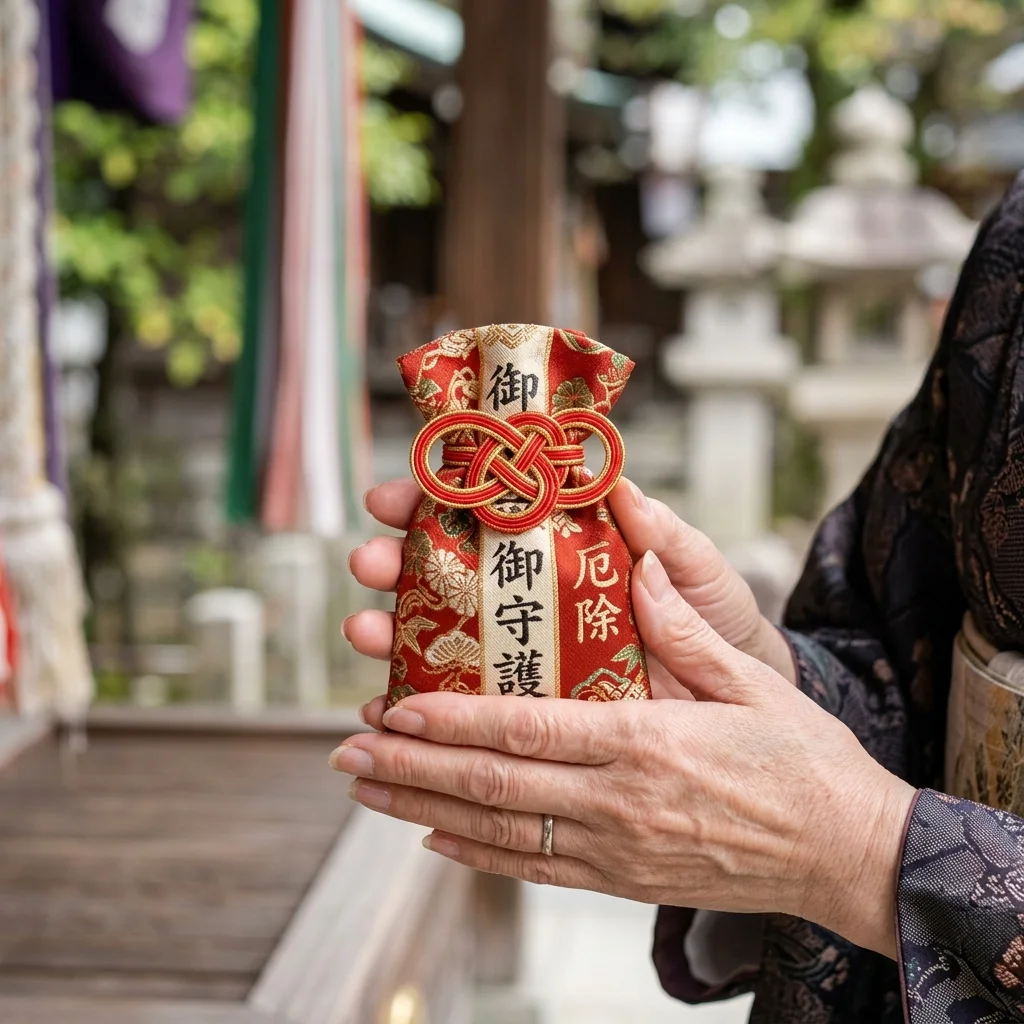
An Omamori (お守り) is not a decorative tourist trinket or a passive superstitious good luck charm. In Shinto theology, the amulet is a sacred vessel containing a localized, consecrated spark of the Shinto deity's spirit, referred to as a Bunrei (分霊). Because it is a living home to spiritual presence, the physical custody of the Omamori must be governed by an attitude of constant respect, cleanliness, and active integration. To maximize its protective boundary, you must carry the Omamori close to your body or integrate it into the physical coordinates of your daily life.
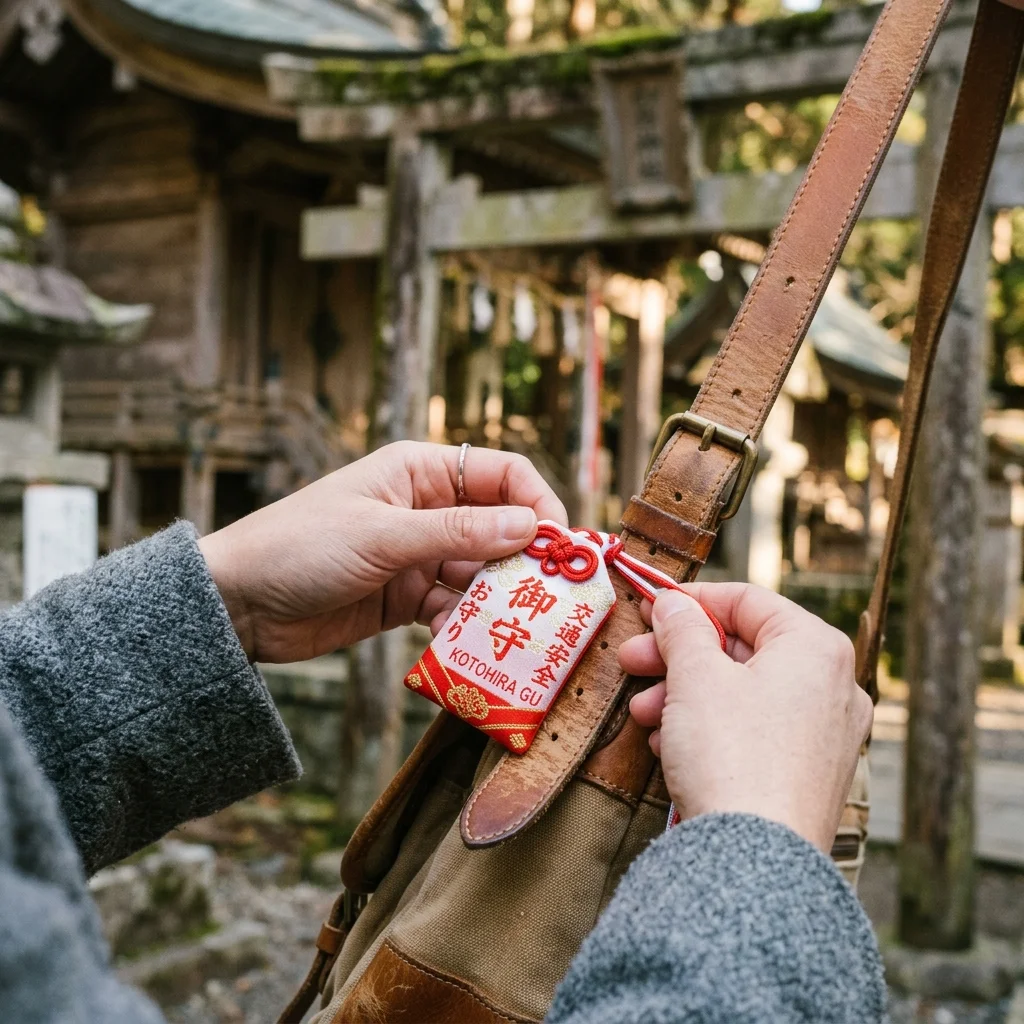
The optimal physical placement of the amulet depends on its specific spiritual focus. An Omamori for travel safety (*Kotsu-anzen*) should be attached to the strap of your daily leather bag, backpack, or hanging from the rearview mirror of your vehicle. An amulet for academic success (*Gakugyou-jouju*) should be kept inside your pencil case or attached to your daily study folder. For household protection (*Kanai-anzen*), the Omamori should be placed in a high, clean, and well-lit communal space in your home—ideally on a wooden household altar, known as a Kamidana (神棚), or on a high shelf facing south or east.
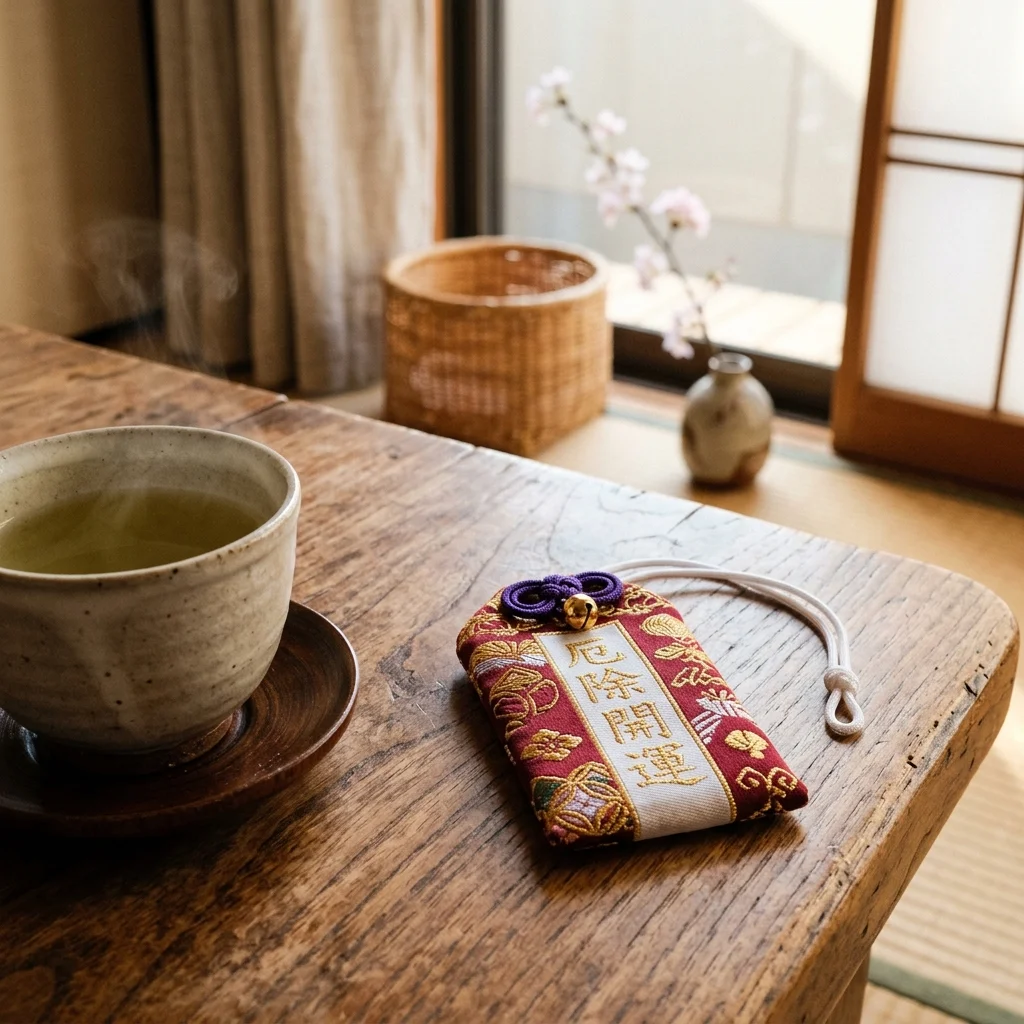
There are strict physical and hygiene taboos that you must avoid at all costs. An Omamori should never be placed in a pocket that you sit on, such as a back trouser pocket, as this is considered a grave physical insult, putting the spiritual essence below the human posture. It should never be tossed onto the floor, placed in a disorganized clutter of dirty keys, or kept inside a dark, forgotten drawer. If the fabric becomes slightly frayed, soiled, or worn over the year, Shinto priests instruct that you should not attempt to wash it or feel anxious; the wear and tear is a physical testament to the amulet absorbing the negative energies, physical impacts, and spiritual impurities (*Kegare*) that would have otherwise struck your body and spirit. Treat the worn fabric with gentle, quiet gratitude.