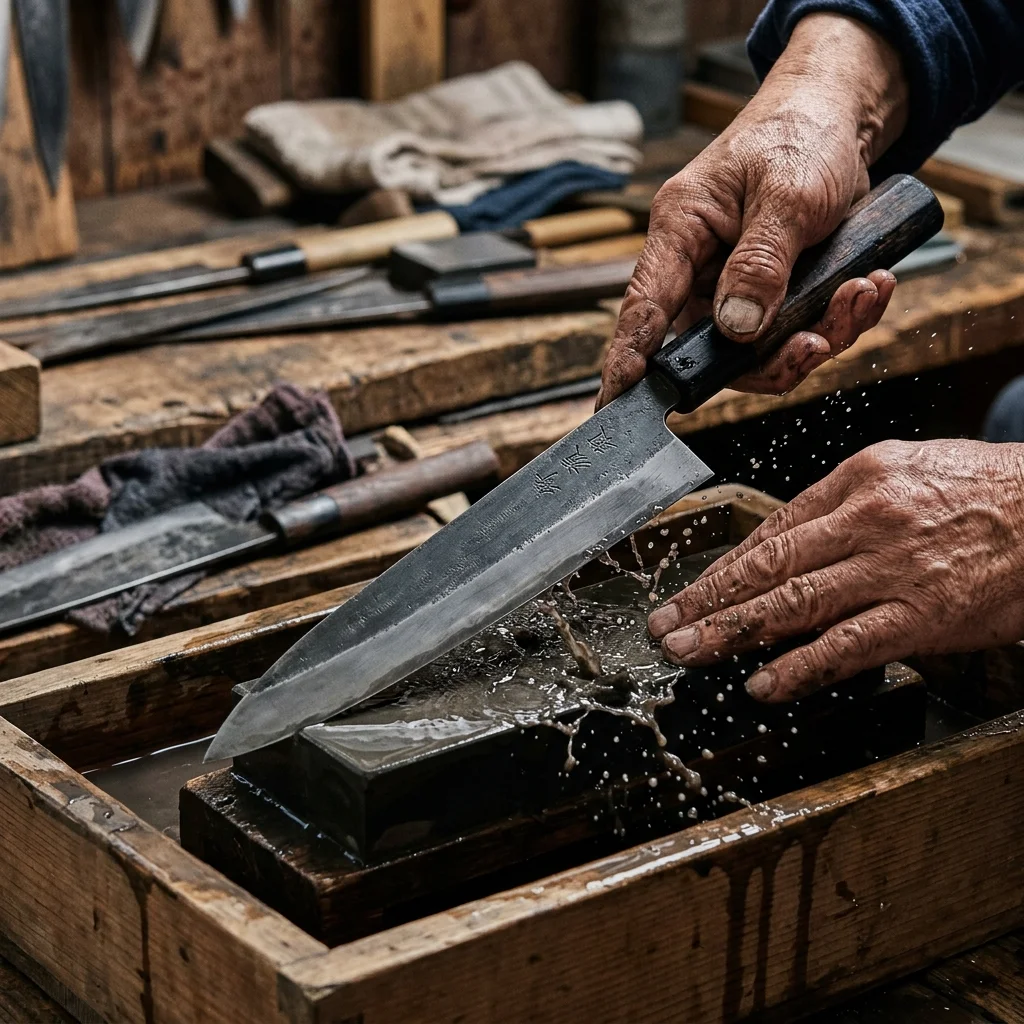
The word Kodawari (こだわり) has a highly fascinating linguistic history, evolving from a negative clinical term into one of the most respected cultural pillars of Japanese professional identity.
Linguistically, the noun Kodawari is derived from the classical verb kodawaru. In its original ancient usage, kodawaru meant to be obstructed, to get caught on a physical obstacle, or to be overly obsessed with trivial, minor matters. Historically, it carried a negative connotation, describing someone who was stubborn, narrow-minded, or unable to let go of insignificant details. It was synonymous with being fussily preoccupied with things that did not truly matter, hindering one's progress.
However, during the post-war industrial boom of the mid-20th century, as Japan rebuilt its economy on a foundation of extreme quality manufacturing and precision engineering, the meaning of the word underwent a massive cultural shift. The stubborn obsession with minor details was reinterpreted as a highly positive trait—a relentless, uncompromising dedication to quality, precision, and craftsmanship. Today, when we say someone has a strong kodawari, we mean they possess an absolute, prideful commitment to their work, refusing to compromise even on details that the customer might never consciously notice.
In written Japanese, the term is unique because it is most commonly written in hiragana as こだわり rather than kanji. This is because the original kanji for the verb kodawaru (拘る) carries the radical for 'hand' combined with 'arrest' or 'seize', which still retains a nuance of being physically or mentally bound. Writing it in hiragana allows the word to represent a free, proud, and voluntary pursuit of perfection, celebrating the artisan's personal standard of excellence.